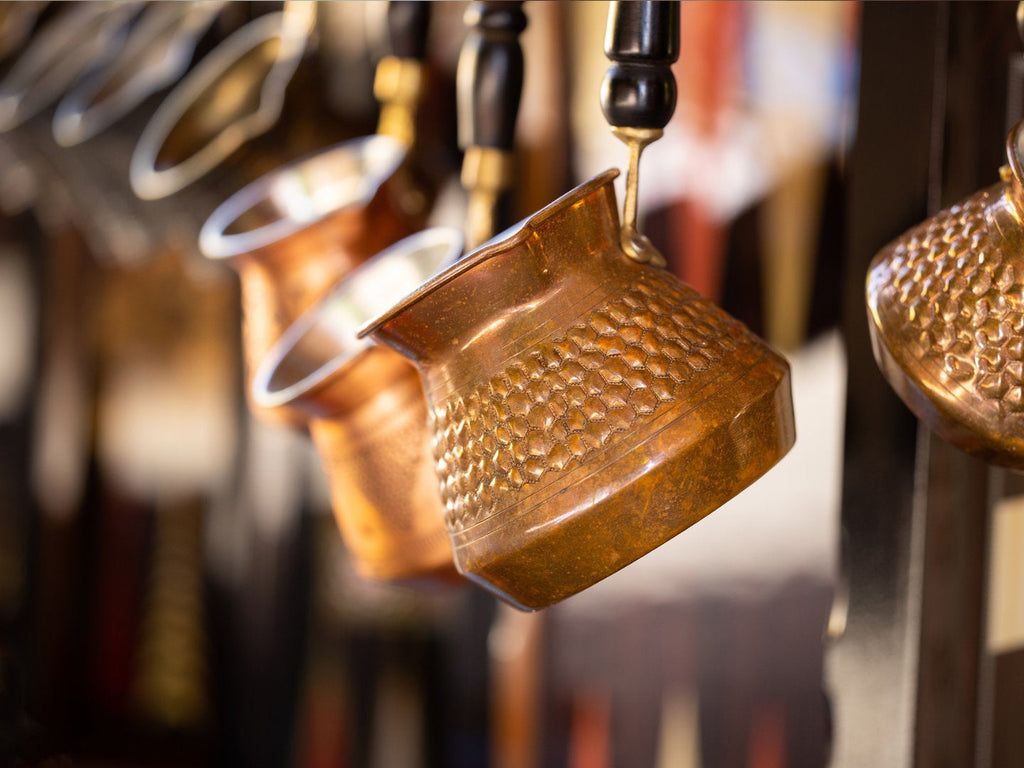
Cezve Brewing: Mastering the Traditional Art of Coffee Foam
In the rich tapestry of global coffee culture, few methods rival the ancient allure and profound simplicity of Cezve brewing. Also known as Ibrik coffee, this centuries-old technique delivers a robust, aromatic, and deeply satisfying cup, distinguished by a unique characteristic: the exquisite foam layer that crowns the brew. This Mokka Coffee: Unveiling the Quality Secret of its Signature Foam is not merely decorative; it's a vital indicator of quality and a testament to the brewer's skill, famously known as the Schaumschicht Auf Dem Kaffee.
Originating from the Middle East and gaining prominence through the bustling coffee trade routes of the Ottoman Empire, Cezve brewing is an unfiltered process that meticulously extracts the full spectrum of flavors from finely ground coffee. The magic, however, truly begins as the coffee heats, coaxing out its essence and forming that iconic foam. For connoisseurs and novices alike, understanding and mastering the creation of this perfect foam is the key to unlocking the true potential of this traditional coffee art.
The Ancient Roots of Cezve Brewing and Mokka Coffee
To appreciate the significance of the Schaumschicht Auf Dem Kaffee, one must first delve into the venerable history of Cezve coffee. The very name "Mokka" harks back to the port city of Mocha (Al-Makha) in modern-day Yemen, a thriving hub of global coffee trade during the 15th and 16th centuries. It was from this bustling port that coffee, and the unique preparation method associated with it, spread across the world.
Traditional Mokka coffee, prepared in a Cezve (a small, long-handled pot, typically made of copper or brass), stands apart from modern brewing methods. It eschews filters, relying instead on an incredibly fine grind, often described as "dust-fine," achieved by traditional methods like stone grinding. This ultra-fine consistency is crucial for both flavor extraction and the formation of the distinctive foam. The brew involves only three core ingredients: water, the finely ground coffee, and often, sugar, which is incorporated directly into the brewing process rather than added afterward. Everything is combined and slowly brought to a boil in the Cezve, creating a sensory experience that has captivated generations.
The Mystique of the Schaumschicht Auf Dem Kaffee: A Mark of Quality
At the heart of the Cezve brewing tradition lies the formation of its characteristic foam layer, or Schaumschicht Auf Dem Kaffee. This frothy crown is far more than just visual appeal; it's widely regarded as a definitive quality feature. But what makes this specific foam so special, and why is its presence so highly valued?
Unlike the creamy, aerated milk foam found atop a cappuccino or the whipped cream of an Irish Coffee, the Cezve's foam is formed entirely from the coffee itself. It's a delicate emulsion of coffee oils, micro-particles of coffee solids, and gases released during the heating process. When executed correctly, this foam creates a protective barrier over the liquid coffee, trapping volatile aromas and keeping the beverage hotter for longer. A well-formed Schaumschicht Auf Dem Kaffee indicates that the coffee was brewed with precision, using the correct grind, water temperature, and heating technique. Its presence signifies a rich, full-bodied, and aromatic cup awaiting the drinker.
How the Foam Forms: Science and Art
The creation of the perfect Schaumschicht Auf Dem Kaffee is a delicate balance of science and artistic touch. As the water and finely ground coffee are gently heated in the Cezve, several processes occur simultaneously:
- Gas Release: Coffee beans, especially freshly roasted ones, contain trapped gases (primarily carbon dioxide). As the mixture heats, these gases expand and seek to escape, pushing coffee particles and oils to the surface.
- Emulsification of Oils: The extreme fineness of the grind means a larger surface area for water to interact with, facilitating the release of coffee oils. These oils, when agitated by the rising gases and gentle convection currents, form an emulsion with the water.
- Protein and Particle Role: Microscopic coffee particles and proteins act as stabilizers, creating a matrix that traps the gas bubbles, preventing them from bursting too quickly and allowing the foam to build.
- Controlled Heat: Crucially, the process must be slow and gentle. Rapid boiling destroys the delicate structure of the foam, leading to a thin, unstable layer or none at all. The gradual increase in temperature allows the foam to build steadily and robustly.
The art lies in observing the coffee as it brews, understanding the subtle signs of foam formation, and knowing precisely when to remove it from the heat or redistribute the foam before the brew boils over.
Mastering the Cezve: Step-by-Step for the Perfect Foam
Achieving that coveted Schaumschicht Auf Dem Kaffee requires attention to detail and practice. Here's how to master this traditional art:
- Choose Your Coffee Wisely: Opt for high-quality Arabica beans, known for their aromatic oils and balanced flavor. Freshly roasted beans are paramount for optimal gas release and flavor.
- The Grind is King: This cannot be overstated. The coffee must be ultra-fine – like flour or confectioner's sugar. If you can't grind it this fine at home, ask your roaster to do it for "Turkish" or "Cezve" coffee.
- Measure with Precision:
- For each serving (roughly 2-3 oz/60-90ml), use approximately 1-2 full teaspoons of coffee.
- Fill the Cezve with cold, filtered water up to the narrowest point of the neck (about 2/3 full), ensuring enough headspace for the foam to rise.
- If adding sugar, do so now (typically 1-2 teaspoons per serving, adjust to taste).
- Combine & Stir (Once Only!): Add the coffee and sugar (if using) to the cold water in the Cezve. Stir gently just once to combine. Avoid excessive stirring, which can hinder foam formation.
- Gentle Heat is Key: Place the Cezve on low to medium-low heat. The slower the heating, the better the foam. Do not rush this process.
- Watch for the Foam: As the coffee heats, a dark, rich foam will begin to form on the surface. This is your Schaumschicht Auf Dem Kaffee. It will gradually expand and rise towards the top of the Cezve.
- The Critical Moment: Just as the foam reaches the rim and the coffee is about to boil over (often signaled by small bubbles forming around the edges), remove the Cezve from the heat immediately. Do NOT let it boil vigorously, as this will destroy the foam. Some traditionalists might briefly return it to the heat a second or even third time, allowing the foam to rise again slightly each time, but the first rise is the most crucial for the primary foam.
- Serve with Care: Gently pour the coffee into small demitasse cups, ensuring each cup receives an equitable share of that precious foam. Traditionally, the coffee is allowed to settle for a minute or two in the cup before drinking, allowing the fine grounds to sink to the bottom.
The resulting brew is intensely flavored, aromatic, and surprisingly clean-tasting despite its unfiltered nature, all thanks to the protective embrace of the perfect foam.
Beyond Tradition: The Broader Significance of Coffee Foam
While the Schaumschicht Auf Dem Kaffee produced by Cezve brewing holds a unique place in coffee history and culture, it's worth noting that foam, in various forms, plays a significant role across the coffee world. From the robust, dark crema on an espresso shot to the light, airy milk foam of a latte, and the dense, velvety microfoam of a cappuccino, foam contributes to the sensory experience of coffee in diverse ways. Indeed, exploring The Role of Coffee Foam: From Mokka Quality to Cappuccino Styles reveals the incredible versatility and impact of this simple layer.
What sets the Cezve's foam apart is its origin: it's purely coffee-derived. It's a direct reflection of the coffee's quality, grind, and the brewer's technique, rather than an addition of milk or cream. This pure coffee foam delivers an undiluted burst of aroma to the nose before the liquid even touches the palate, enhancing the overall tasting experience and making it truly distinct from other coffee preparations.
Conclusion
The art of Cezve brewing is a journey back in time, connecting us to centuries of coffee tradition. At its heart lies the pursuit of the perfect Schaumschicht Auf Dem Kaffee – a rich, aromatic foam layer that is both a visual delight and a testament to a perfectly executed brew. This foam is not just an aesthetic flourish; it's a critical component that enhances aroma, maintains temperature, and signifies a meticulously crafted cup of Mokka coffee.
Mastering the Cezve is a rewarding endeavor that deepens one's appreciation for the nuances of coffee preparation. By understanding the history, the science, and the art behind this ancient method, and by carefully following the steps to achieve that signature foam, you can unlock a truly authentic and profoundly satisfying coffee experience. Embrace the tradition, perfect your technique, and savor the rich, foamy crown of your next Cezve brew.