Mokka Coffee: Unveiling the Quality Secret of Its Signature Foam
Mokka coffee, an ancient brew steeped in history and tradition, offers far more than just a caffeine kick; it presents a profound sensory experience, a testament to centuries of meticulous preparation. Originating from the bustling port city of Mocha (Mokka) in present-day Yemen, this distinctive coffee style has captivated palates since the 15th and 16th centuries, when it served as a pivotal hub for the burgeoning global coffee trade. What truly sets Mokka apart, however, is not just its intense aroma or rich, unfiltered body, but a delicate yet robust indicator of quality: its signature foam layer, known in German as the *Schaumschicht Auf Dem Kaffee*. This unique coffee-derived foam is not merely an aesthetic flourish; it's a critical component that defines the Mokka experience, signaling a perfectly executed brew.The Ancient Roots of Mokka: More Than Just a Drink
The story of Mokka coffee is deeply intertwined with the history of coffee itself. Named after the historic Yemeni port, Mokka became synonymous with high-quality, aromatic beans that journeyed across the world. The traditional preparation method for Mokka coffee is as ancient and revered as its name. Unlike modern brewing techniques that rely on filters and precise measurements, Mokka is brewed in a *cezve* (also known as an ibrik or briki), a small, long-handled pot, where coffee grounds, water, and often sugar are brought to a gentle boil. This method bypasses filtration entirely, allowing the finely ground coffee particles to remain suspended, contributing to the drink's characteristic full body and potent flavor profile. The coffee used for Mokka is ground to an almost flour-like consistency, often between stones, a testament to the meticulous care involved in every step. This ultra-fine grind is not just for texture; it's fundamental to extracting the coffee's deepest essences and, crucially, to the formation of that distinctive foam layer. The entire process, from grinding to boiling and serving in tiny, handle-less cups, is a ritual that speaks volumes about heritage and the art of coffee. Each sip, though small, is an intense journey through centuries of coffee culture, underpinned by the presence of its remarkable foam.What Makes Mokka's Foam Unique? Understanding the Schaumschicht Auf Dem Kaffee
The *Schaumschicht Auf Dem Kaffee*, or the foam layer on Mokka coffee, is far more than just bubbles; it's a defining characteristic and a hallmark of quality. Unlike the milky foam found atop a Cappuccino or the whipped cream on an Irish Coffee, Mokka's foam is entirely coffee-derived. It’s formed naturally during the brewing process in the cezve, a direct result of the interaction between ultra-fine coffee grounds, water, and heat. This creamy, stable layer traps the coffee's volatile aromas and oils, delivering an incredibly aromatic first impression and enhancing the overall sensory experience. The formation of this foam is a delicate balance of science and technique. As the water heats the finely ground coffee in the narrow-necked cezve, dissolved coffee solids, oils, and gases are released. The boiling action, particularly when performed correctly with precise heating and removal from heat, encourages these elements to coalesce at the surface, forming a stable layer of tiny, uniform bubbles. This *Schaumschicht* serves multiple purposes: it acts as an insulator, keeping the coffee hotter for longer; it concentrates the rich aromas, funneling them directly to the drinker's nose; and it provides a unique, velvety mouthfeel that contrasts beautifully with the strong, unfiltered liquid below. A well-prepared Mokka will always boast a generous, persistent foam, indicating that the brew has been handled with care and skill. For enthusiasts and traditionalists alike, the presence and quality of this foam are non-negotiable proof of an authentic Mokka experience. To truly master this technique, one must understand the nuances of the cezve method itself. For deeper insights into this ancient brewing art, consider reading Cezve Brewing: Mastering the Traditional Art of Coffee Foam.The Science Behind the Silken Layer
The magic of Mokka's foam lies in the careful interplay of physical and chemical processes. Coffee contains various compounds, including proteins, polysaccharides, and lipids (oils). When coffee is ground to an incredibly fine powder, these components become more readily available to interact with water. As the mixture is heated in the cezve, the water extracts these elements. The boiling action, specifically the bubbling and steam generation, plays a crucial role in agitating the liquid and incorporating air. The proteins and polysaccharides act as natural surfactants, reducing the surface tension of the water and allowing tiny air bubbles to become entrapped and stabilized. The coffee oils also contribute to this stability, forming a thin film around the air pockets. The unique narrow neck of the cezve helps to concentrate these foaming agents and gases as the liquid rises, encouraging the formation of a dense, resilient *Schaumschicht Auf Dem Kaffee*. A crucial aspect is avoiding vigorous boiling, which can break down the delicate foam structure. Instead, a gentle, controlled boil is key to nurturing this exquisite layer.Mastering the Art: Tips for Achieving the Perfect Mokka Foam
Achieving that perfect *Schaumschicht Auf Dem Kaffee* is an art form, a dance between quality ingredients and precise technique. It’s a rewarding pursuit that elevates the Mokka experience from good to extraordinary.Essential Ingredients for Superior Foam:
- The Coffee: This is paramount. You need freshly roasted coffee, ground to an ultra-fine powder—finer than espresso grind, almost like flour or confectioners' sugar. If possible, have it freshly ground at home using a burr grinder capable of achieving this consistency, or ask your local roaster. The specific roast profile can influence flavor, but the grind size is non-negotiable for foam formation.
- Water: Use cold, filtered water. Impurities in tap water can affect both the taste of your coffee and the stability of the foam. The cold temperature allows for a slower heating process, giving more time for the foam to develop gradually and stably.
- Sugar (Optional): While traditional Mokka is often sweetened during brewing, the presence of sugar can sometimes impact foam. If you prefer your Mokka sweet, adding the sugar along with the coffee and water at the beginning is the traditional way and integrates it smoothly into the brew.
The Right Equipment: Your Cezve
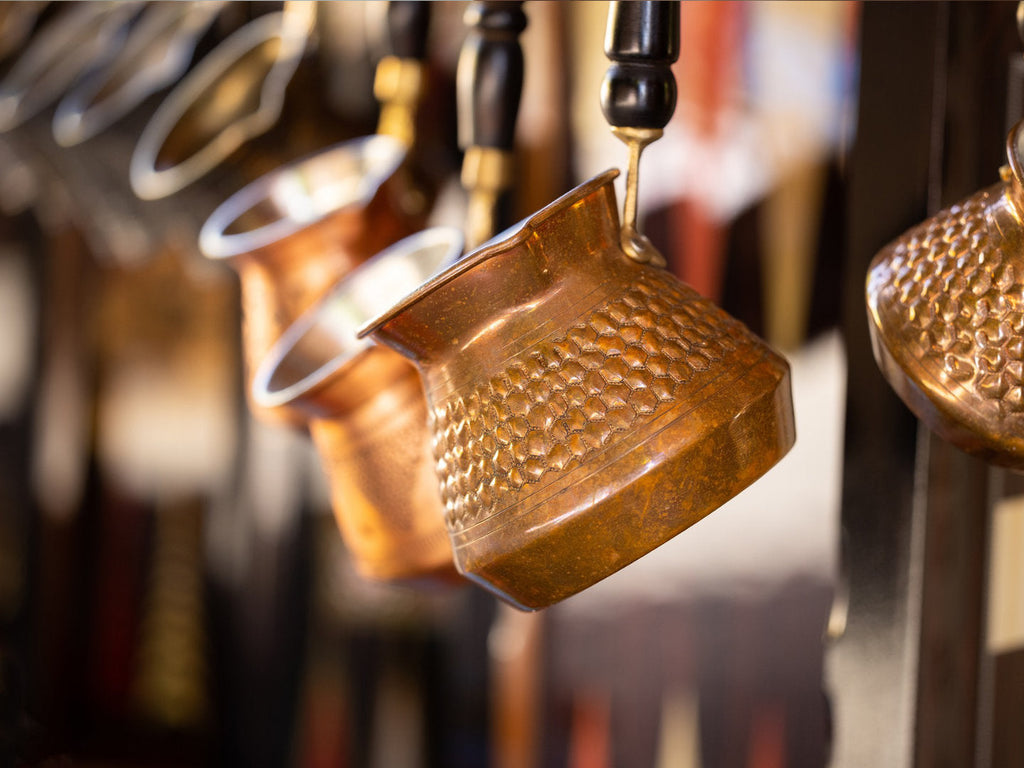
The cezve itself is more than just a pot; its specific design is integral to the brewing process and foam creation. Look for a cezve made of copper or brass, which are excellent heat conductors, allowing for precise temperature control. Its wide bottom and narrow neck are crucial: the wide base ensures efficient heat transfer, while the narrow neck helps concentrate the rising gases and foam, guiding it to form that characteristic layer.
Mastering the Brewing Technique for Maximum Foam:
- Measure Precisely: For each small Mokka cup (roughly 60-70ml), use about 1-2 heaped teaspoons of ultra-fine coffee and an equal amount of cold water. If adding sugar, incorporate it now.
- Gentle Mixing: Briefly stir the coffee, water, and sugar (if using) in the cezve until combined. Do not over-stir, as this can hinder foam development later.
- Slow Heat is Key: Place the cezve over very low to medium-low heat. The goal is a slow, gradual heating process. Rushing it with high heat will boil the coffee too quickly, preventing proper foam formation and potentially burning the coffee.
- Watch for the Rise: As the coffee heats, you'll notice a dark, frothy layer beginning to form on the surface. This is your foam. Crucially, as the coffee starts to rise rapidly, just before it boils over, quickly remove the cezve from the heat. Do not let it boil vigorously.
- Skim and Serve: Immediately after removing from heat, use a spoon to carefully skim off the accumulated foam and distribute it evenly among the small Mokka cups.
- Second (and Third) Boil (Optional but Recommended): Return the cezve to the heat for a second, even briefer rise. Again, remove just as it's about to boil over, skim the foam, and add to the cups. Some traditionalists repeat this a third time for maximum flavor extraction and foam. After the final skimming, gently pour the remaining liquid into the cups, being careful not to disturb the foam already present. The coffee grounds will settle at the bottom of the cup.
Common Pitfalls to Avoid: Over-boiling the coffee will destroy the foam and extract bitter compounds. Stirring the coffee once the foam has begun to form should also be avoided, as it can break the delicate structure. Patience and a keen eye are your best tools in perfecting this method.